‘Heart and Brain’ Burgas is Building of the Year!

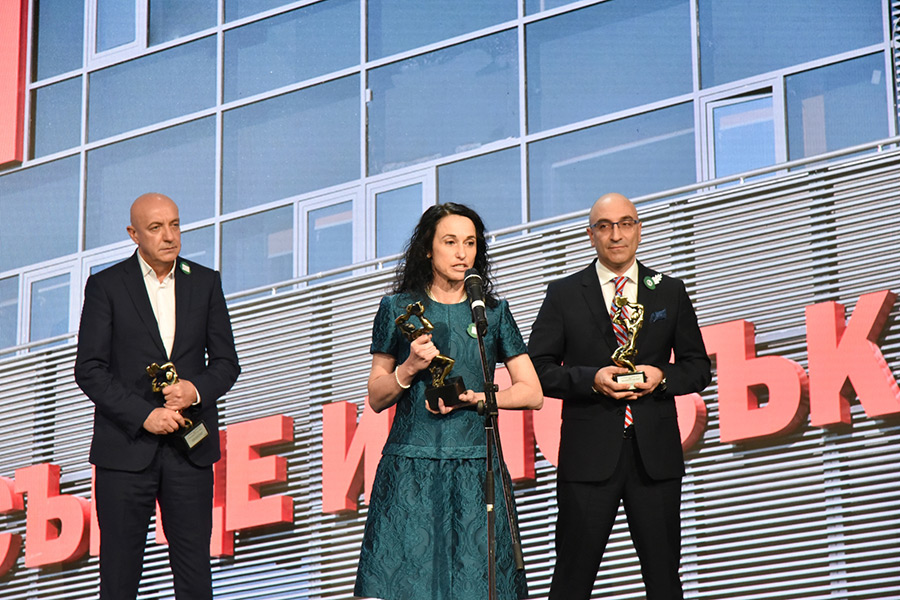
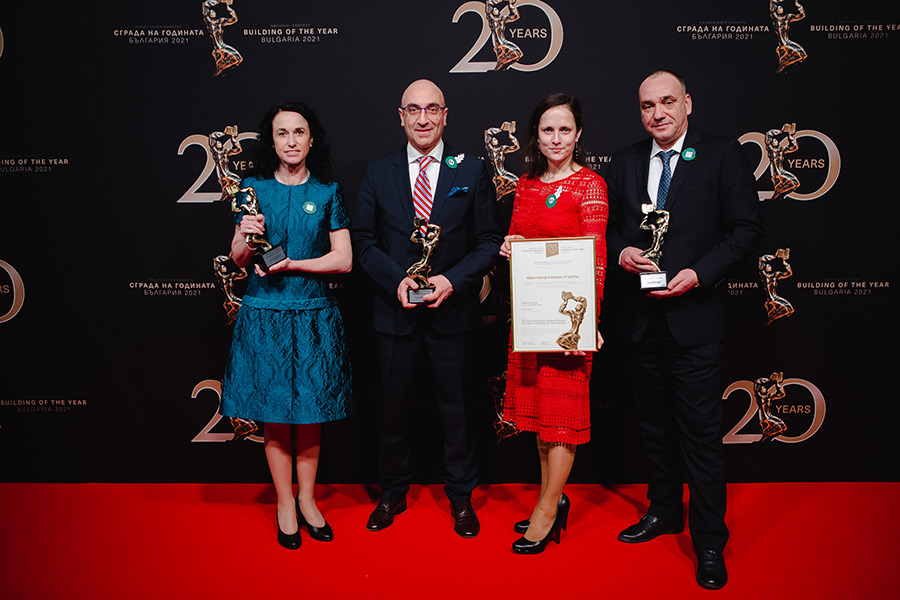
The high-tech hospital ‘Heart and Brain’ Burgas won first place in the category “Social Infrastructure – Healthcare Buildings” at this year’s competition “Building of the Year Bulgaria 2021”. The prestigious award was presented during a glamorous ceremony that brought together the brightest representatives in the field of investment projects, construction and architecture in Bulgaria.

“From Commercial League, Bulgaria – the medical community and, above all, patients should expect new major investments in high-tech projects,” said the CEO of the investor Commercial League – Global Pharma Center, Mr. Takvor Boghossian, during his speech.

The Chief Designer and Executive Director of “Helvetia Architectural and Construction Bureau”, Arch. Daniela Georgieva said: “To us, hospital buildings are like patients – we put all of our knowledge and emotional intelligence into making sure they have healthy, long and happy lives.”

“The designers from Helvetia have created a real palace – a dream for high-tech medicine, which we, together with 200 other Bulgarian and European doctors and 400 health care professionals in 14 major medical specialties, cherish on a daily basis,” concluded Prof. Nikolay Dimitrov, MD, medical director of the hospital.

The national competition “Building of the Year” is organized by the CITY Media Group under the patronage of the Ministry of Regional Development and Public Works and is implemented with the support of the industry and branch organizations in the field of construction and architecture.

Capital Health: good practices in “Heart and Brain” in Pleven and Burgas

The high-tech Heart and Brain hospitals in Pleven and Burgas, called palaces of health, are the latest additions to the family of the Bulgarian Cardiac Institute (BCI), consisting of 5 more specialized cardiology hospitals in Varna, Yambol, Pleven, Shumen, Veliko Tarnovo and 15 medical centers across the country. BCI was established in 2007 and is part of the country’s leading healthcare organization with a 30-year tradition – “Commercial League”. The pharmaceutical manufacturer “Tchaikapharma High Quality Medicines”, the insurance company “DallBogg: Life and Health” and the pension insurance company “DallBogg: Life and Health” are part of it.

Stereotactic Radiosurgery (SRS) and Gamma Knife

Dr. Rumen Lazarov, Head of the Radiotherapy Department in Pleven

Since March 2021, more than 100 people have benefited from the capabilities of Bulgaria’s only gamma knife – without having to seek expensive treatment options abroad. The most demonstrative results have been in patients with brain stem metastases that are not amenable to surgical treatment, and in patients with optic nerve meningiomas – for them this is the only treatment that allows preservation of vision. Our clinic also offers opportunities for a second opinion from a qualified specialist both within BCI and from colleagues from other European and international centres with whom we have traditionally worked. We are most often approached by patients with cancer and brain metastases. The maximum number of metastases we have treated at any one time is 10, but when they are less than 1 cm it is possible to treat a larger number. In non-oncological diseases, the most common cases are meningiomas, a benign disease of the meninges, which in many cases is better treated with gamma-knife radiosurgery than with surgery. We use “surgical” radiotherapy to treat functional abnormalities and small brain tumors, so-called stereotactic radiosurgery (SRS). With additional complexity are cases of patients who require re-irradiation. We recently performed such a procedure in a young woman treated twice in Turkey and twice more in Bulgaria. The treatment performed in this extremely complicated case was very successful. Modern radiosurgery is paying more and more attention to the movements of the body and organs during irradiation so that the radiotherapy is as gentle as possible – with the gamma knife this control is automatic and if there is a deviation of more than 0.5 mm the machine stops the radiation. High technology and the skills of our specialists allow us to reach a new level of precision – we use the latest generation of magnetic resonance imaging to plan gamma knife treatments. Accuracy when working with the currently most advanced linear accelerator is achieved by 4D scanner and positioning for tumors that move with the breath. Medicine in general, and radiosurgery in particular, is highly dynamic, so our teams are constantly improving their qualifications – a specialisation in treating severe tremor conditions is coming in the next few months. Constant scientific exchange and the implementation of complex solutions are key in our fight against cancer. For example, we are increasingly using simultaneous radiation and drug treatments, and we are applying all radiation chemotherapy and immunotherapy regimens simultaneously and sequentially.

Endoscopic spine surgery

Prof. Dimitar Haritonov, MD, Head of the Clinic of Neurosurgery in Pleven

Endoscopic spine surgery is the most innovative segment of the whole range of spine surgery. It is a modern and cutting-edge surgical technique that is finding increasing application in the treatment of degenerative disc disease (DDD), which in turn includes disc herniation, spinal canal stenosis, recessural and foraminal stenosis, degenerative spinal arthropathy, and spondyloarthritis. DDD covers an extremely wide age range, from 20 to 85 years (in rare cases affecting older patients), and is one of the main causes of temporary or permanent disability. Timely diagnosis and initiation of treatment is critical to outcome. Annually at the Heart and Brain Hospital – Pleven, we perform between 250 and 300 operations on patients with DDD. The percentage of endoscopic interventions increases significantly every day and now accounts for more than 30% of spinal surgery. The advantages of endoscopic surgery over conventional open surgeries, be it minimally invasive, are key – significantly less pain for the patient, reduced stress for the body, no large incisions, significantly faster recovery, fewer postoperative complications and perioperative blood loss, shorter operating time, the possibility of awake anesthesia during surgery. With the introduction of high technology in medicine, image quality has improved dramatically – we work with HD, 4K image and even 8K imaging technologies. And currently, the only hospital operating with equipment at this level is the Heart and Brain Hospital. So far we have operated on over 100 patients, mostly with disc disease and foraminal stenosis. A Joimax endoscopic lumbar fusion system is in the process of being implemented, which will open up new possibilities in endoscopic surgery. Our experience reports a reduction in operative time from an average of 90 min to 45-50 min, intraoperative blood loss is virtually absent (compared to minimally invasive surgery), the surgical incision is 5-8 mm paravertebral, spinal canal penetration is performed through natural anatomical openings without disturbing the anatomy, stability and biomechanics of the spine, thus eliminating postoperative infections. Patients are back on their feet literally hours after the intervention with restored comfort, quality of life and ability to work. Long-term follow-up of patients is part of the work of our teams, and so far we have no reports of early or late postoperative complications.

Life after COVID campaign and integration of artificial intelligence in the fight against familial hypercholesterolaemia

Prof. Yana Simova, MD, PhD, Executive Director of BCI, Head of the Post-COVID Syndrome Research Group and Head of the Department of Cardiology

Over the past 14 months, BCI has been helping a particularly vulnerable and growing segment of the population – patients with ongoing complaints after COVID-19. More than half have persistent complaints months and even years later – the so-called post-COVID syndrome. We now know that the virus damages and alters small blood vessels, and the complications usually significantly impair quality of life and prevent a full return to work. The BCI research group initiated one of the first campaigns in Europe (“Life after COVID”) to track the effects of the virus on sufferers on a long-term, no-cost basis. We have accumulated a huge amount of experience, which we share with the international scientific community, and so far we have helped nearly 3000 people. Everyone needs to understand the risk not only of the virus, but also of its consequences. It is important that those who have had the disease also get vaccinated, because the immunity after vaccination after a disease is much stronger than after a disease.

BCI is also involved in another innovative project – the creation and integration of a software program (artificial intelligence) to recognize and signal certain features of familial hypercholesterolemia, an inherited disease that leads to aggressive and early cardiovascular pathology. The project is highly relevant – firstly, familial hypercholesterolaemia very often goes unrecognised and timely treatment significantly improves prognosis and prolongs life. Second, the disease usually progresses with severe cardiovascular atherosclerotic disease (heart attacks, strokes, sudden cardiac death) at an early age. Third, adequate, potent and NHIF reimbursed treatment is available when the condition is identified. Last but not least, familial hypercholesterolaemia is a hereditary disease, so making this diagnosis in one patient allows for a cascade screening of their first-degree relatives (including children), early identification and timely initiation of therapy for primary prevention, i.e. to significantly prevent or delay conditions such as heart attack or stroke.

Maximum sparing laparoscopic, minimally invasive and robotic surgery

Dr. Vladimir Kornovsky, Head of the Department of Cardiac Surgery

Two years after it started operating in Burgas, the Heart and Brain Hospital has established itself as the preferred choice for patients in the region – with more than 1,300 heart surgeries performed. As of November 2021, the hospital is housed in its own newly constructed building with 9 above-ground and 2 underground floors – a state-of-the-art structure equipped with top-of-the-line equipment. The Cardiac Surgery Department relies on the most patient-friendly surgical interventions such as minimally invasive aortic valve replacement, endoscopic mitral and tricuspid interventions, minimally invasive bypass (MIDCAB) and beating heart revascularization, which is the standard for the cardiac surgery clinic (OPCAB). Keeping pace with the latest practices in global medicine, from September 2021, interventions for isolated mitral pathology and mitral combined with tricuspid pathology are performed entirely endoscopically at our institution. We work with top-of-the-line instrumentation and equipment, including the Einschtein 3.0 endoscopic 3-D camera. The team consists of highly experienced specialists and postgraduate students. This forms four separate, independent teams that are fully interchangeable and can cover the entire range of cardiac surgery interventions. The da Vinci X 3D – HD, an innovative robotic surgical system with 4 arms unique to the region, will be operational in early 2022. Robot assisted surgery helps in less blood loss, less trauma, faster recovery and return of patient to their daily activities and working capacity. We are about to integrate this “gold standard” in cardiac surgery, but also in the work of other departments such as urology, abdominal and thoracic surgery.

The article was published in the December issue of Capital Health and in the online edition.

BCI specialists are coauthors of an international textbook on COVID-19

At the end of the second year since the beginning of the SARS-CoV-2 pandemic, the international scientific community has released the textbook “Fighting the COVID-19 Pandemic”, which brings together the most up-to-date knowledge, experience and strategies in the fight against the virus and its effects on the human body. Specialists from the research team of the Bulgarian Cardiac Institute areparticipating with the key chapter “Post-COVID-19 conditions and the cardiovascular system” – an area in which the doctors from ‘Heart and Brain Center of Clinical Excellence’ in Pleven and Burgas already have widely established scientific and practical experience.

Abstract:

One out of four patients affected by COVID-19 will experience persistent (>3-4 weeks) signs and symptoms (Post COVID-19 conditions or Post-Acute Sequelae of SARS-CoV-2 – PASC) and this fact will have a major significance for the healthcare and economic systems in the upcoming years. The cardiovascular system is one of the key targets for the Post COVID-19 syndrome, given the pathogenesis of the virus and prevalence of ACE-2 receptors. According to our initial personal experience via the campaign “Life after COVID” of the Bulgarian Cardiac Institute, a substantial proportion of patients having suffered from COVID-19 develop long-term cardiovascular consequences. They could range from rhythm disorder and blood pressure variation, through impairment of myocardial mechanics and heart failure, and to acute vascular manifestations of Post COVID-19 conditions, such as acute coronary syndrome, acute pulmonary embolism, and acute limb ischemia. These cardiovascular complications require special and dedicated medical attention, and we could share our personal experience on the matter.

Read the full chapter here.

Prof. Dr. Nikolay Dimitrov: The new “Swiss” hospital in Burgas opened its doors. Coming soon in Sofia

‘Heart and Brain’ Burgas is the newest high-tech hospital of the Bulgarian Cardiac Institute (BCI) – the national leader in lifesaving, part of which are also the multi-profile hospital ‘Heart and Brain’ in Pleven, 5 specialized cardiac hospitals in Varna, Yambol, Pleven, Shumen, Veliko Tarnovo and 15 medical centers throughout the country. Over 2.3 million patients have been diagnosed and treated at BCI since 2007. Long-standing collaborations have been established with leading medical research centres in Europe and the United States. Epicenter.bg spoke with Prof. Dr. NIKOLAI DIMITROV, Medical Director of the new hospital in Burgas:

 – Prof. Dimitrov, recently the new modern hospital ‘Heart and Brain’ in Burgas was opened. Why is there a need for another hospital?
– Because there is a need to elevate the quality of healthcare and to provide access to innovative and previously missing healthcare technologies for the treatment of socially significant diseases such as interventional treatment of ischemic strokes and brain aneurysms, highly effective robotic surgery (including the latest generation Da Vinci robot), minimally invasive cardiac surgery, electrophysiology and cardiac pacing. The Heart and Brain Hospital started operating in Burgas two years ago in a small and gloomy building, but during this period it has established itself as the preferred choice of doctors and patients in the region – with over 1300 heart operations performed. Since November 2021, the hospital has been housed in a new building of its own, built in just a year and a half – an ultra-modern facility equipped with top-of-the-range equipment, enabling our specialists to take a multidisciplinary approach to finding the optimal treatment for patients suffering from a variety of chronic and acute conditions, especially those with multimorbidity.

The traditional cooperation with world leading university hospitals and, of course, the experience gained at ‘Heart and Brain’ Pleven are invaluable for the good results of our doctors and synchronized teams. The main difference is that in Burgas we do not have the unique for the Balkans and Eastern Europe Gamma Knife for bloodless removal of tumors in the brain, which has been used for a year now by the famous clinic of Dr. Rumen Lazarov in Pleven for the benefit of patients from all over the country and abroad.

Extremely valuable for the patients in acute need of specialized and life-saving care in the region of Southeast Bulgaria is the helipad at the hospital, which we are building in cooperation with the municipality of Burgas and the regional administration. It will be a part of the national Helicopter Emergency Medical Service (HEMS) system that has been desperately needed for decades. More importantly, ‘Heart and Brain’ Burgas has many qualified doctors from several European countries, nurses and medical staff and has the most modern cardiac and neurosurgical facilities in the region.

– We found out that ‘Heart and Brain’ Burgas is known as the “Swiss” hospital in the city. How do you explain this?
– There is not simply by chance. Switzerland is a symbol of prosperity and high quality of life, and Burgas is the city of prosperity, now we will elevate the quality. The new state-of-the-art ‘Heart and Brain’ has opened its doors to elevate the health status and quality of life in the most populous area in the country to the level of Germany and the Netherlands, where patient satisfaction is over 90%. Interestingly, the chief architect of the new clinical complex was born in Burgas, now living in Switzerland. This year, the 32-member jury of the National Competition “Building of the Year 2021” chaired by Arch. Violeta Komitova, Minister of Regional Development and Public Works, awarded the hospital with the first place prize in the category “Social Infrastructure and Special Purpose Buildings – Healthcare Buildings”.

It is also true that we are striving even beyond the popular ‘Swiss’ stigma, to turn ‘Heart and Brain’ in Burgas into a national and European centre of leading medical scientific and practical achievements. It will be home to, at various times, renowned physicians from Zurich, Bern and Geneva, Munich, Milan, Prague and Paris, in all 12 major clinical specialties, including thoracic and vascular surgery, imaging, urology, gastroenterology, orthopaedics and traumatology. As early as January 2022, we expect the first team of leading Czech and French cardiologists and cardiac surgeons to work permanently side by side with Bulgarian specialists in Burgas. Because BCI, the research center of ‘Heart and Brain’, led by a young and talented Bulgarian professor, has a long-standing cooperation and exchange with the world leader in cardiology, cardiac surgery and heart and lung transplantation ‘Cleveland Clinic’ from the United States, we are planning training of Bulgarian doctors in Burgas by world-renowned American professionals.

– How is your hospital different from the others?
– In almost everything and with everything. First, I would say that competent private initiative is a natural engine of progress – always working faster and more modern than the state machine. Heart and Brain in Burgas combines and applies the knowledge and experience, successful practices and research work accumulated abroad, in the country and especially in the very successful hospital in Pleven. We are truly bearers of the new, because we integrate the most advanced scientific achievements into our daily work and constantly develop our young postgraduate students, PhD students and leading doctors. We work with dedication, provide a path for development, ensure specializations abroad and decent pay for medical and medical work, stimulate doctors to improve themselves daily and prove what they are capable of. The thousands of healed patients who have expressed their satisfaction with the care and assistance they have received are the most valuable proof that we are implementing reform in Bulgaria. And for us, patients always comes first!

– Are you planning to introduce such “health forts” in other areas of the country?
– Bulgarian patients suffer chronically from the lack of real reforms in the most important sector of social and economic life – healthcare. We continue to be the sickest, poorest and shortest-living nation in Europe despite the millions of leva of public resources sunk into the large state and especially Sofia hospitals. Quite rightly, patients are insecure and dissatisfied.

Against this background, the class “A” investor Commercial League and BCI are planning the construction of a truly modern, multi-specialty hospital on the territory of the city. Sofia, Eastern arc (Kazichene). The goal is clear – smart and efficient investments in hospital care, early diagnosis and life-saving interventions. Traditionally, for years we have worked in close expert cooperation with leading medical centers from the USA and Europe. We plan to specialize in heart and lung transplants together with professors from Cleveland Clinic through specializations and experience exchange. Of course, the complex will have its own helipad for HEMS.

It is time for the capital to experience the new high-tech and highly competitive healthcare. It is time to have a big “Swiss” hospital in Sofia. We know how to implement the reform in the service of patients and Bulgarian families.

The full article is available here in Bulgarian.