Heart and Brain in Pleven is a National Leader in The Appliance of Modern Technologies in Neurosurgery

“Index of Hospitals” puts Heart and Brain Center of Excellence in Pleven ahead of high-tech neurosurgery in Bulgaria. The annual specialized ranking takes into account the performed operations and therapies, considering the complexity of the medical service, the level of innovation and the intricacy of treatment. BCI Hospital has the highest percentage of brain surgeries performed with modern technology used – 97,14. The medical institution is a leader in another indicator – the largest share in spinal cord surgeries in the country, as the hospital uses neuronavigation and 3D-intraoperative image control in the largest number of spinal cord interventions.

The data is provided by the National Health Insurance Fund and reflects the activity of the medical establishments in our country in the most accurate and objective way possible.

WHO: long-term COVID may be due to the persistence of the virus in the body

Delayed vaccination contributes to the spread of the approaching third wave of COVID-19. This determines the importance of antiviral drugs such as hydroxychloroquine for the prevention and treatment of long-term COVID.

As a result of its in-depth work, this February, BCI’s research group for post-COVID-syndrome study received a special invitation from the World Health Organization to share experiences and participate in consultations on the long-tail COVID.

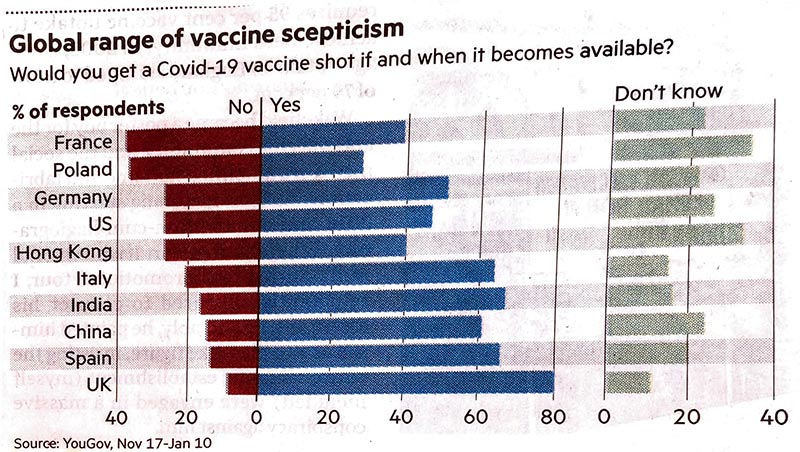
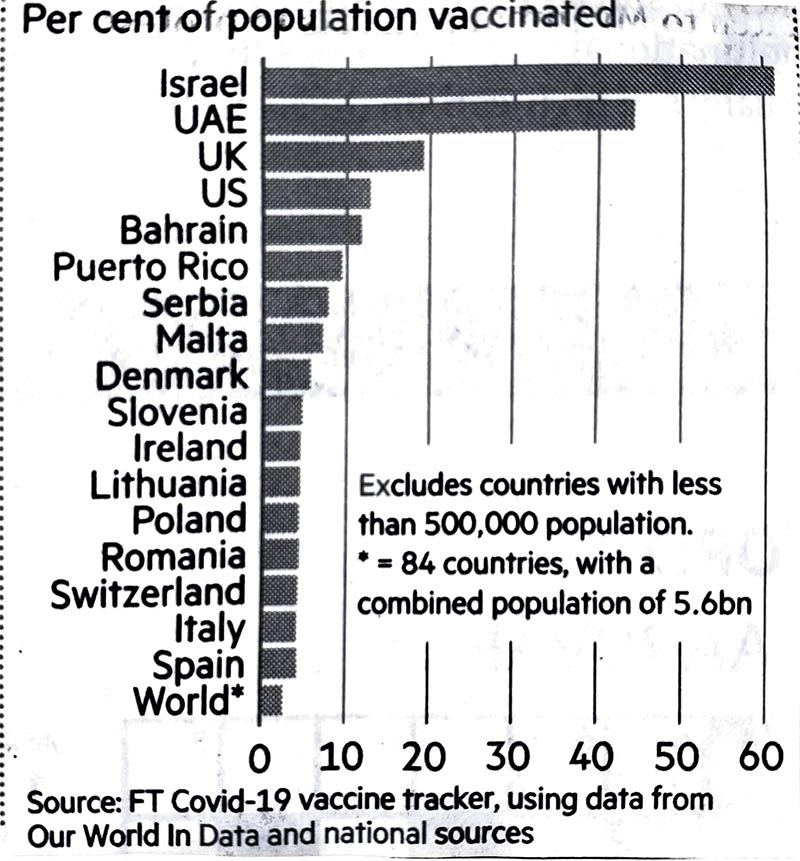
Below are some key graphs which speak for themselves:
1. The huge discrepancies in the vaccination progress and the normalization of life

2. The role of misinformation involving leading scientific journals, as it happened in 2020 with The Lancet Gate on hydroxychloroquine.

3. Тhe amplitude of vaccination skepticism.

New publication of the BCI research group for post-COVID-syndrome study

The coronavirus pandemic has spread like wildfire around the world, infecting and killing tens of thousands of people. But in addition to directly damaging the lungs, the virus also causes many cardiovascular complications that further increase mortality. The infection itself impairs blood clotting, blood clots form, which can clog important blood vessels, causing a heart attack, stroke or another life-threatening condition.

In a group of 10 patients with a clinical picture of acute myocardial infarction, BCI researchers looked for factors that may suggest that the infarction is a result of thrombosis, i.e. to distinguish patients who would benefit from a coronary intervention with recanalization from others whose small vessels are blocked. The main conclusion is that if the highly sensitive Troponin I is significantly elevated – 7.5 times above the upper limit of normal, then most likely the large coronary arteries are blocked and a coronary intervention would be effective.

The Bulgarian Cardiac Institute together with Heart and Brain Center of Excellence in Pleven conducted a study to create an algorithm for early diagnosis – a decisive factor and a prerequisite for timely and effective treatment of AMI during the pandemic. The results have already been published on an international platform for medical sciences. The study is expected to be published soon in the prestigious scientific Journal Invasive Cardiology with an impact factor of 1.5.

BCI expressed readiness for public-private partnership in favour of the patients suffering from COVID-19

Bulgarian Cardiac Institute sent a letter to the Ministry of Health, the National Health Insurance Fund, the National Operational Headquarters and the Alexandrovska Hospital about its readiness to provide its experience as a pioneer in the diagnosis and treatment of ‘Post-COVID Syndrome’ as a public-private partnership in favour of the Bulgarian patients.

Read the full letter here in Bulgarian.

For A Very First Time on The Balkans – The Neuro-surgeons at Heart and Brain Pleven Use A New, Vanward, Mini-invasive System For Spinal Stabilization

Assoc. Prof. Dimitar Haritonov`s team used an vanward system for percutaneous implantation of transpedicular screw stabilization (an operative technique for increasing the stability of the spinal pillar via spiral implants). This method eliminates the necessity for preliminary surgical procedures for preparation for the actual implanting process. The new system allows a setting of planned length of the screw in the guide, precise steering, positioning and fixing via breakable shoulders. Reversed reduction – restoration of the normal geometry of the spine is also possible.

The new mini-invasive system has a number of pros when it comes to the patient. The surgical zone consists of just four cuts with length of just a centimeter each. In this way the trauma of the muscles affected is minimal. In practice there is no loss of blood. The duration of the surgical intervention is shorter, the number of surgical instruments is decreased significantly. The modern system VIPER PRIME is more effective and it spreads contemporary spinal surgery`s full potential through complete compatibility with the 3D neuro-navigation which in hospital “Heart and Brain” is being routinely put into practice in favor of the Bulgarian and Balkan patients.

The appetite for innovative technologies and modern operative techniques of Assoc. Prof. Haritonov and his team turn the neuro-surgery at the Heart and Brain hospital into a leading center at the Balkans and also improve the patients` access to European health care at the cost of Bulgarian prices. The clinic is in line for getting accredited as a training and reference center for the surgeons of the Balkans region.

Heart and Brain Center of Excellence in Burgas – The Only Hospital in Bulgaria With an Increase Of The Cardio-surgical Operations For 2020

Analysis of “Hospitals` Indexes” shows that for 2020 the number of cardio surgeries in Bulgaria is down with 24% compared to the previous year`s results. A main reason for that is the COVID-19 pandemic  and the postponed treatments of patients as a result of the planned surgeries being put on hold. With this being said, the only hospital in Bulgaria with reported growth in the number of initiated cardio-surgeries, regardless of the current complicated conditions, is Heart and Brain Center of Excellence in Burgas. The numbers state clearly: for the first six months as of the start of the hospital`s activity in 2019, 181 interventions were conducted and for 2020 the registered operations are 408.

According to stats by the National Health Insurance Fund and the main clinical pathways related to cardio surgeries, the Heart and Brain hospital in Pleven is also among the leaders in the cardio treatment in Bulgaria. The hospital outruns medical institutions around the country quite distinctly when it comes to the major operations of complex heart malformations (444 interventions) and also the operations without extracorporeal blood pressure – 174.

The traditional yearly statistics help the Bulgarian patients take an informed decision in their choice of a medical institution. The data presented by Heart and Brain Centers of Excellence in Burgas and Pleven is a logical result of the bond between highly-specialized medical activity, excellent set-out and professionalism of the teams and long-standing work of the Bulgarian Cardiac Institute for improvement of the access of the nation to quality European health despite of the chronic underfunding of the Bulgarian Health System.