Doctors from ‘ Mama and I ‘ saved a 5-month-old baby with severe respiratory failure

Radoslav was brought by helicopter from Montana

Doctors from the paediatrics clinic in ”Mama and I” saved the life of five-month-old Radoslav from Vidin. Thanks to the quick and adequate response of the team on duty – Dr. Ignat Gramatikov, Dr. Bilyana Metodieva, nurse Tsvetelina Todorova and excellent coordination with the medical helicopter team, the Ministry of Interior Pleven and the doctors from the Montana Hospital, only half an hour after the helicopter took off the child was admitted to the intensive care unit of the hospital complex and saved.

“The Montana hospital approached us because Radoslav was in severe respiratory failure, hypoxia, carbon retention and needed intensive care. Colleagues from Montana organized the transport with the medical helicopter, we quickly formed a team and thanks to the special neonatology ambulance of ‘Mom and Me’, equipped with a transport couch, we managed in the most flawless way to save the baby’s life”, informed Dr. Velimir Simov, head of the pediatric ward.

Radoslav is now feeling well, his mother is by his side and his treatment continues.

“I am extremely grateful to the doctors from ‘ Mama and I’ for saving my baby. I am grateful for the quick joint efforts of the paediatric clinic teams and the medical helicopter. Without them he would not have been able to survive,” Radoslav’s mother said through tears.

On the same day, another child from Vidin was admitted to the intensive care unit of the clinic. He was admitted with bilateral bronchopneumonia and breathing difficulties. The parents, who heard about the transport of a child at risk by helicopter, decided to seek help from the paediatricians of ‘Mama and I’.

“I only trust Dr. Simov, so we took the risky trip to the hospital and lo and behold, Christo, who is one year and 7 months old, was saved. Our choice was right,” said the mother Rositsa.

Baba Marta and her helper Martenichka surprised the children who are treated at ‘Mama and I’

Currently, more than 25 children are being treated at the clinic

Early this morning, Baba (“Grandma”) Marta and her assistant Martenichka arrived at ‘Mama and I’ and surprised the little patients of the pediatric clinic and the team on duty. They tied a martenitsa for health on each child’s hand, wishing them to be white and red, blushing and laughing.

One of the youngest patients, Preslav, four months old, happily accepted to be hugged by a smiling grandmother. Gabriela, who cried frightened at first, later came to Grandma Martha herself, pulled up her apron and said, “Now we can hug each other so I can get better faster.” Bogdan, Kaloyan and Denis, told of their exploits in kindergarten and school and said that although they were big pranksters, they wanted to get back there healthy quickly.

The eldest of all, who Grandma Marta burped for health, was 11-year-old Tsvetoslav. He shared where he broke his arm, but smiling said he was surprised to see Grandma Martha at the hospital.

Baba Marta and Martenichka tied martenitsa on the hands of the on-duty team in the clinic, wishing them to be healthy, smiling and enjoying more healed little patients.

Currently, more than 25 children are being treated at the clinic. Most are girls and boys under one year old, mainly with acute viral infections.

‘Mama and I’ is a leading center for diagnosis and treatment of children with congenital anomalies

In just a year and a half, the newest and most modern clinic for mothers and children has become the leading center for diagnosis and treatment of children with congenital anomalies in the country. In the first six months since the clinic opened, 66 children have been diagnosed and treated at ‘Mama and I’, and in the past 2024, 229 children with such problems have been treated.

“The fact that more and more families are turning to us is proof of the success of the multidisciplinary approach we apply, the only one in the country,” said Dr Velimir Simov, head of the paediatrics department. “Our teams will continue to see, without fail and around the clock, the most severe cases. We are proud that at ‘Mama and I’ we are developing paediatrics very successfully and we strive to cover the whole pathology and the whole range of examinations to help children and their parents. Our goal is to provide quality medical genetic counseling, which is the basis of prevention of genetic diseases and their consequences,” says Dr. Simov.

All state-of-the-art diagnostic, treatment, technology and specialist options are available to young patients and their parents. Imaging, clinical laboratory, immunological and genetic tests are performed as quickly as possible and in one place. The paediatrics clinic employs specialists of European level whose expertise patients seek – Assoc. Maria Gaidarova, paediatric nephrologist, prof. Dobrin Konstantinov, paediatric oncohaematologist, prof. Stefan Stefanov, paediatric rheumatologist and others.

Many of the young patients have diagnoses whose etiology needs to be further refined. Follow-up for luxations is done by established paediatric orthopaedists and traumatologists under the guidance of Prof. Asparuh Asparuhov. Neuromuscular diseases, the whole spectrum of epilepsy, children with neuro-psychiatric development disorders, including autism, are consulted with the leading neurologist prof. Plamen Bojinov and his team. The genetic laboratory of ‘Mama and I’, under the leadership of Assoc. Elitsa Becheva-Kraichir, applies an algorithm of specialized tests for timely and accurate diagnosis, analysis, interpretation approaches and long-term follow-up.

“There is a bench in Stara Zagora, placed by the National Alliance of People with Rare Diseases in Bulgaria, which says: “There is an invisible city of 400 000 people with rare diagnoses in Bulgaria”. We have been talking about this for years – with individual specialists, with people from the Alliance, with patient organisations and with dozens of our patients. But there is no strategy at national level,” says Assoc.prof. Becheva-Kraichir.

The specialists remind that the best treatment is prevention and follow-up, before the development of symptoms and complications, and that this is how to work according to the most up-to-date directives for good medical practice, modern paediatrics and genetics.

Epilepsy through the eyes of a geneticist

Assoc. Dr. Elitza Betcheva-Krajcir: At ‘Heart and Brain’ every patient with epilepsy can receive a multidisciplinary approach, individual treatment plan and follow-up

Epilepsy is a group of diseases in which, due to brain involvement, there is a persistent predisposition to epileptic seizures of different nature. It is one of the most common pathological conditions in neurological practice, affecting more than 50 million people worldwide of different ages, genders and ethnic backgrounds. According to recent scientific data, up to about 10% of people in the general population in industrialized countries have at least one epileptic seizure in their lifetime, and at least 3% develop a disease in the epilepsy group. At the same time, over 80% of epilepsy-associated mortality is found in low- and middle-income countries. Over 13 million people per year develop varying degrees of disability as a result of epilepsy.

Few people know that genetics plays an important role in the diagnosis and treatment of the disease. At ‘Heart and Brain’ Pleven, medical genetics specialists work together with paediatricians, neurologists, imaging specialists, clinical laboratory doctors and immunologists. It is this multidisciplinary approach that allows the most appropriate individual treatment and follow-up plan to be determined in the shortest possible time.

On the International Day of People with Epilepsy, we talk to Dr. Elitsa Becheva-Kraichir, Head of the Medical Genetics Laboratory at ‘Heart and Brain’ Pleven and Burgas.

– Assoc. Betcheva, please tell us a bit more about epilepsy and epileptic seizures.

– By definition, seizures are the symptoms of an irregular release of electrical charges from a large group of nerve cells in the brain, resulting in tingling sensations, smells, altered consciousness or twitching of muscles, entire limbs or convulsions of the whole body. The occurrence of such seizures at different points in time, with or without immediate provocation, is epilepsy. When, in addition to epileptic seizures, there is also involvement of higher functions of the cerebral cortex, we speak of epileptic encephalopathy. And when symptoms from other organs and systems are found in addition to epilepsy (so-called co-morbidity), we speak of syndromic epilepsy.

The diseases in the group of epilepsies are diverse – they differ in the type and duration of seizures, the severity of symptoms, the presence of concomitant other complaints and causes of occurrence. Epilepsy may be due to severe brain trauma, intoxication, infectious diseases, congenital structural defects, brain tumors, brain degenerative diseases, metabolic diseases, vascular problems (stroke), genetic predisposition. But even with a thorough analysis of the causes, nearly half of the cases remain with an unknown etiology.

– What is the role of genetic factors in the occurrence of epilepsy?

– A significant proportion of genetically determined cases of epilepsy have a multifactorial basis, with only part of the causes of the disease being in our genetic information – DNA – while another part is due to environmental and lifestyle factors. In such cases, simple diagnostic genetic analyses will not be able to provide us with clinically relevant information.

When genetically determined epilepsy is due to individual genetic variants, these can already be detected by diagnostic genetic tests, but they are inherently different types, necessitating the use of different types of genetic analyses, because there is no method that covers all possible variations. In some patients we use molecular cytogenetic methods (e.g. microarray for variants called ‘copy number changes’), in others molecular genetic methods (sequencing or genotyping of single nucleotide variants), and in others, although rarely, specific ways of analysing DNA misrepeats (dynamic mutations) or defects in mitochondrial DNA.

– Tell us how you, the geneticists at Heart and Brain, work together with other specialists and what the multidisciplinary, individual approach you take entails.

– In the heterogeneous group of epilepsies, two main groups of patients stand out – paediatric and non-paediatric, and the approach to them diagnostically and therapeutically is sometimes slightly different.

When it comes to children with epilepsy, with or without encephalopathy and accompanying other symptoms, they are most often patients of the specialised clinic ‘Mom and Me’, part of Heart and Brain’. Alongside the care of the specific health problem for which they are hospitalised, specialist consultations are initiated with a geneticist and a neurologist. Laboratory, immunological, infectious disease tests, imaging, and EEG (electroencephalogram) are performed as needed. Specialists from different specialties discuss the case together and decide on genetic testing.

Unlike other tests, genetic analyses take some time (1-2 months). We invite the family for a secondary consultation, during which we explain in detail all our actions, tests, changes found, their consequences, preventive and therapeutic options in a language that people understand. The relatives of the sick child have the opportunity to ask all their questions. After the consultation, we provide a detailed written conclusion with recommendations according to the most current professional guidelines.

Often, the child needs long-term follow-up – not only from the pediatrician and neurologist, but also from other specialists such as the cardiologist and endocrinologist.

Sometimes the necessary preventive checkups are many in number, highly specialized and annual. To reduce the time and stress for children and their families, we have made arrangements for them to take place in just 2-3 days at one location. Children don’t have to ‘go to the doctors’, the specialist doctors come to them.

Like our young patients, adults with epilepsy or other neurological conditions that might have a genetic cause have the opportunity to have a genetic consultation on-site – in their hospital room, during their stay in the neurology clinic. The most common concern of these patients is what is the risk that their (now born, grown or future) children may also have a genetic disorder.

– What does the genetic consultation involve?

– At the first meeting of the genetic doctor with the patient (and his/her family), the specialist explains in understandable language the principles of genetic information, genetic testing and the genetic components of diseases. It is important for the patient to overcome the fear of the unknown and stigma, and for the doctor to understand and feel his patient psychologically.

The secondary consultation consists of one or more discussions between the geneticist and the patient and a written conclusion. The focus here is understanding the results and discussing next steps. Often, with chronic and complex diseases, patients and their families maintain contact with their doctor for years and have multiple, for example annual, secondary consultations.

– What specific tests are needed?

– As I mentioned, there is no method in genetics (yet) that allows us to test for all types of genetic changes with one test. However, there are already methods developed that allow searching for several types of genetic defects at the same time.

In general, in most cases the indication for genetic analysis is reached when other causes of the disease have been ruled out by more conventional methods. In the case of epilepsies, laboratory, infectious disease, imaging, physiological and other studies have already been performed, but the suspicion of a genetic etiology remains.

On the basis of the clinical picture, the presumed clinical diagnosis of the neurologist and the results of other investigations, the geneticist considers which method is most likely to identify the cause. In most cases, as a first step, we apply analysis for small DNA variants combined with analysis for copy-number changes, preferably covering nuclear and mitochondrial genetic material. We can examine only genes known to be associated with the development of epilepsy as well as all of a person’s protein-coding genes or even their entire genome. If we do not identify a genetic cause with these generally general methods, we undertake more specific investigations – for example, for dynamic mutations, epigenetic changes, etc.

– What is the point of genetic analyses in epilepsy and what are the benefits for the patient?

– This is a question that people often ask – “what’s the use when my gene can’t be fixed?”. There are several forms of epilepsy where identifying a specific genetic defect is key to the choice of therapy. For example, some forms of epilepsy are significantly affected by a special dietary regimen. In other forms of epilepsy, a specific genetic defect may cause the disease not to improve but, on the contrary, to worsen significantly with classical therapy (e.g. valproates). The genetic result helps us to understand why this is so and what medications are appropriate.

For other people with epilepsy, the most important question is what is the risk that the next child in the family will be affected by the same disease. When it comes to severe syndromic epilepsy with encephalopathy, determining the risk for recurrence and offering options for prenatal or preimplantation diagnosis is of great importance to parents.

Not least among the benefits for many families is the sense of relief that they finally know why their child, for example, is ill and the lifting of guilt, especially from mothers who often think they did something wrong during pregnancy.

Knowing the exact genetic diagnosis does not always allow an etiological treatment (treatment of the cause), but increasingly it allows the choice of a much better, more adequate treatment for the specific patient, a better quality of life and a system of measures to avoid the development of complications and disability.

The Bulgarian Cardiac Institute presented the first “Golden Heart of the Year” Awards for 2024

At a solemn ceremony yesterday in Burgas, the Bulgarian Cardiology Institute awarded the doctor who received the most positive evaluations from patients in the past year. The event was held at the Brasserie Sursum Corda on the premises of the Heart and Brain Hospital and brought together the nominated doctors, heads of clinics and departments, public figures and the media.

Dr. Embie Azis, leading cardiologist at ‘Heart and Brain’ Burgas, won the “Golden Heart of the Year” award with a remarkable result generated by hundreds of letters of thanks and positive feedback from patients and their families in surveys, the Internet and social networks. This recognition is high praise for her professionalism, but most of all for her unconditional dedication to patients, heartfelt attitude, attention and care. This award is proof that a doctor’s true value is not measured only by his knowledge and skills, but also by his humanity towards the people he treats.

“This recognition means a lot to me. I love my patients!” said Dr Azis excitedly.

The competition was extremely strong, with very close results between the top candidates from different specialties. Each of the nominated physicians demonstrated high medical qualities and impeccable attention to patients.

The summary of the results highlighted several key aspects that set , Heart and Brain’ apart from all the others. Patients expressed their admiration for the high-tech equipment and modern treatment methods. But it’s not just the technology that’s important, they note – it’s the comfortable environment created where they are relaxed and cared for during treatment that is key. Patients also emphasise that the doctors’ sincere and human communication with them and their relatives helps them to overcome their worries quickly. Each step of the treatment is explained clearly and with attention to detail, and this helps them feel confident and relaxed.

To ensure objectivity and that patients can express their opinions freely without any external pressure, anonymous surveys are central to determining the Big Golden Heart of the Year winner. The results show that Dr. Azis has managed to gain the trust and respect of everyone who has met her.

“We congratulate Dr Azis on this well-deserved recognition and thank her for her tireless work, professionalism and attitude that inspires the teams at , Heart and Brain’. All the nominated doctors are role models – thanks to them, our hospitals continue to be a place where patients receive the best treatment and care,” said Prof. Toni Vekov, Chairman of the Board of Directors of the Bulgarian Cardiac Institute.

Assoc. Prof. Natalia Chilingirova, MD: Prevention and screening are the key in the fight against cancer in Bulgaria

On World Cancer Day we talk to Assoc. Chilingirova, head of the complex oncology center in ‘Heart and Brain’ Pleven – the only Bulgarian member of the European organization of cancer institutes

– Assoc. Prof. Chilingirova, what do the latest World Health Organization data on cancer show?

– Every year, almost 20 million people hear the severe diagnosis and about 9.7 million die from the disease. However, it is important to know that around 40% of cancers can be prevented by avoiding risk factors and implementing prevention strategies that have been proven to work. The spread and severity of these diseases can also be reduced by early detection of new cases and timely therapeutic management. Many cancers have a high chance of cure if diagnosed early and treated adequately.

In 2020, 2.7 million people were diagnosed with cancer in the European Union and 1.3 million people died from the disease. It is expected that cancer mortality in Europe will rise by more than 24% by 2035.

But beyond the statistics, every patient is first and foremost a person, with his or her own destiny. The oncologist’s mission is to be with their patients throughout the process – together they choose the best treatment strategy and achieve the best possible quality of life.

– What is the situation in Bulgaria?

– To a large extent, Bulgaria follows the global trends in morbidity and mortality, lung cancer is the most frequently diagnosed malignancy in men and breast cancer in women. Unfortunately, however, most cancers are diagnosed at an advanced stage. The lack of long-term national policies on screening and prevention remains a problem, as does the inability to diagnose most cancers early. The appearance of symptoms is generally indicative of advanced disease, so it is important to see a doctor and have annual screening.

– Just a few days ago, an international scientific conference related to innovations in oncology concluded. Please tell us more.

– It focused on a multidisciplinary approach and communication. I was impressed by the lively discussions and the rooms full of medical professionals because I believe that this is where solutions and great ideas are born. Colleagues from Bulgaria and abroad took part, from different specialties, but united around the cause of fighting cancer. And the key to success is a team approach. Central in the discussions took the new possibilities of medicine and pharmacy in the fight against the disease, the possibilities of artificial intelligence as an additional tool to help the diagnosis of treatment.

We commented on new therapeutic options in the treatment of lung cancer. We focused on the key role of genetics in modern diagnosis and treatment, discussed new therapeutic options in the treatment of melanoma, and addressed the important role of screening and prevention with a focus on cervical cancer. We showed innovations in surgical approaches -robot-assisted surgery, presented our own data and analyses from clinical practice. In short, we dove into the infinity of modern diagnostic and treatment options, with an eye to the future of medicine.

– What are the takeaways and what are your goals for fighting cancer from here?

– Science is moving forward, and with it the fight against cancer. If I can summarise, I would say that our successes in the war against this disease are based on tireless teamwork and innovation at every stage from diagnosis through treatment and patient follow-up.

It makes sense that in this era of precision medicine and innovation in oncology, we should focus on advanced prevention and screening options to make a positive change to the dismal statistics. Early detection necessitates the introduction of digital technologies and platforms, telemedicine into actual clinical practice. And the goal is to offer adequate screening to target populations (patients at increased risk of disease), e.g. for breast, cervical, lung, colorectal cancer, etc. Such programmes are already underway in a number of other countries at national level.

Another crucial prerequisite for an excellent therapeutic response and good long-term outcomes is the availability of comprehensive cancer centres, where every step from diagnosis through treatment and follow-up happens in one place, without the patient and their relatives having to wander between separate institutions at such a difficult time.

‘Heart and Brain’ is an example of this. For nearly five years now, the comprehensive cancer centre has been applying a modern, multidisciplinary and high-tech world-class approach – in one place. Not surprisingly, we are the only full member and the first Bulgarian member of the largest network of oncology centres and institutions in Europe (OECI).

– What more needs to be done in terms of prevention?

– Prevention and screening are the key to fighting cancer – given the main risk factors for cancer, we could largely prevent or avoid them. For example, smoking is clearly associated with lung cancer, i.e. reducing and stopping it would reduce the risk of developing this cancer. Regular check-ups and vaccination would reduce the incidence of cervical cancer. Vaccines against the human papilloma virus, some of whose subtypes cause cervical cancer, are available in this country and can be administered. Above all, responsibility for health is a matter of personal choice.

Part of the process is raising public awareness, social engagement and providing relevant, accessible and accurate medical information.

Malina Vitkova, senior midwife in the maternity ward of ‘Mama and I’: Every newborn is a blessing for me

Malina Vitkova is a senior midwife at the maternity ward of ‘Mama and I’. She has been a senior nurse at the maternity ward for 26 years. For her, every new birth is a blessing, every baby’s first cry is a satisfaction and the tears in the mother’s eyes are a reward. Today – 21 January – Midwifery Day we talk to her about her choice and dedication to the profession – midwife.

When and why did you choose to be a midwife?

– From a very young age I always wanted to study medicine. The decision to dedicate myself to midwifery came spontaneously after the birth of my first daughter. At the most important and difficult time for me, I saw in my midwife support, protection and peace of mind. She was my inspiration and I realized that this was my calling.

How does it feel to be part of the birth of a new life every day?

– Being a part of the birth of a new life is a privilege for me and the feeling is unique. Every baby born in my arms is a blessing. The moment I hear the cry of a new life, the exhaustion and stress disappear. I forget about problems, difficulties, worries. And the tears of joy in the mother’s eyes are the greatest reward. Each birth is different in its own way, so the work of the midwife is not patterned. It takes knowledge, skill, patience and love, every time! A midwife’s job is not just about giving birth. Caring for the mother is also very important, both during and after pregnancy. Today, pregnant and birthing women use many more and different sources of information than women did decades ago. They ask a lot of questions and expect us to have the right answers. Today the midwife must be a psychologist and a friend as well as a professional. She does not have “office hours”. She has to be constantly by the woman’s side, to gain her trust and respond to her needs. Also the routine of the profession must not dominate the purely human warmth and respect, for the people who have chosen our hospital for this so important and expected event.

How do the teams at ‘Mama and I’ deal with the challenges and needs of today’s expectant parents?

– Expectant parents choose the maternity ward of ‘Mama and I’ with great expectations and hope. They are enchanted by the excellent facilities, the dedicated team of doctors and midwives and the opportunities we provide for young families – for example, both parents being together with their newborn from day one. Expectant mothers spend the hours leading up to meeting their newborn in a comfortable environment, as close to home as possible, with the support of their relative and discreet supervision from the team.

The maternity sector has rooms for natural or operative birth. There is also a choice of a private delivery room for normal birth, where the presence of an attendant during labour is also permitted.

In the postpartum sector of ‘Mama and I’ the stay after birth is organized – everything necessary for the mother and the newborn is provided. The teams of doctors and midwives work as one, the knowledge and skills provide security and adequate response, and can sometimes be life-saving.

To meet the needs of pregnant women, we have also formed a school for expectant parents, which is gaining in popularity. In it, we discuss with expectant parents various topics related to childbirth and child rearing in a relaxed and friendly environment. Along with the school, we also hold individual meetings with them on a daily basis so that they are relaxed and as prepared as possible in caring for their child after discharge from the ward. And we are with them at discharge – all babies leave here with a gift – an album capturing their first moments – first photo, first foot and hand print, first impressions.

You have been elected by the Board of the Alliance of Bulgarian Obstetricians as the President of the structure in Pleven region. The city will host the Academy of Midwives in the autumn of 2025. What goals have you set yourself?

– What we have to develop in midwifery care is the so-called “home patronage” – the care of the mother and child in a home setting. This is a difficult time for the woman, when she feels confused and insecure and needs our care and advice.

What is 21 January for you and what is your wish for the holiday?

– For me, and for all my colleagues, it is a very special day and I feel extremely proud. The midwifery profession is a destiny and a calling! I wish all my colleagues good health! May they work with love, heart and soul!

Prof. Heinz Röttinger: I train young doctors at the Academy of Orthopaedics in Bulgaria – I am very impressed and excited by their knowledge, skills and desire for development

The German professor has patented his own method of hip arthroplasty

The first of its kind academy of orthopaedics is being established in the high-tech hospitals ‘Heart and Brain‘ in Pleven and Burgas – this was announced a few days ago by prof. In the last few days the head of the clinic of orthopaedics, Prof. Asparuh Asparuhov, was announced. The initiative is the result of the excellent cooperation of the specialists from ‘Heart and Brain‘ with world-renowned experts in the field of orthopaedic surgery such as prof. Heinz Röttinger , a pioneer in the field of minimally invasive hip and knee arthroplasty, and Dr. Steffen Haug, an international consultant in minimally invasive spinal surgery and degenerative spine pathology. They are joined by Prof. Dr. Nick Spindler from Germany, a leading specialist in plastic surgery for severe trauma cases, and Prof. Prof. Oliver Marin-Peña from Spain, Vice President of the European Hip Society.

The first major scientific forum organised by the academy will be in April on the topic of “Knee joint navigation prosthesis”. The event will bring together orthopaedists from all over the country in Pleven, with scientific sessions and surgeries broadcast in real time. By the end of the year, two more symposia are planned, related to revision of complications after hip prosthesis and shoulder prosthesis with the so-called Reverse Prosthesis.

“Our main goal is to train young doctors, not only from our hospitals but from all over the country. We start with minimally invasive surgery, arthroplasty and endoscopic surgery to get to revision arthroplasty with complications after infections,” said Prof. Asparuhov. “We have achieved a lot – we have built an outstanding team of professionals, we have high-tech equipment and we apply the most advanced world standards in the field of endoprosthetics and revision orthopaedic practice. It’s time to build on this – to implement more new world techniques,” adds Dr. Yordan Valeshkov.

“Our desire is to pass on our experience and knowledge to motivated young orthopedists in Pleven and Burgas. It is a pleasure for me to consult them during the surgeries and I am proud to be able to train the new Bulgarian medical generation”, says Prof. Roettinger and gives Dr. Georgi Dimitrov a friendly hug.

“Every month I am in Pleven to train young doctors specifically in the diagnosis and treatment of the degenerative spine and I meet with exceptional interest. This attitude inspires me. We are preparing a course for Bulgarian specialists in minimally invasive and plastic hand surgery at our clinic in Germany,” said Dr Haug.

CAPITAL: Prof. Deyan Anakievski: There is no prevention strategy for prostate cancer. Men over 50 are at risk

The majority of men are ashamed to go to the examination

Prof. Anakievski is the head of the urology clinic at the high-tech hospital complexes Heart and Brain. He graduated from the Medical University – Varna in 2004. In the same year he started specialization in surgery and in 2013 he acquired a second specialty in urology. She defended her dissertation for the degree of Doctor of Medicine in 2015 on the topic “Evaluation and validation of some preoperative and postoperative prognostic models in prostate cancer”. In 2021, he defended the academic position of Professor of Urology. He is the main author and co-author of more than 200 scientific papers.

Is there a prevention of prostate cancer and what should young men do in an attempt to avoid the disease? From what age onwards and at what intervals should they see a urologist, and is there any prevention?

– Prostate cancer is the second most commonly diagnosed cancer in men, with an estimated 1.4 million diagnoses and 375,000 deaths worldwide in 2020. In Europe, it is the most commonly diagnosed cancer in men and the third most common cancer-related cause of death in men. It is a major health concern, particularly in developed countries, due to the higher proportion of older men in the general population and the potential risk of overtreatment after early diagnosis. Unfortunately, there is no prevention for RP. There is screening, which is still used in this country to detect new cases, but it is not sufficient on its own to diagnose prostate cancer, so it is not used in most countries around the world. There are three well-established risk factors for prostate cancer: increasing age, ethnicity and genetic predisposition.

There are a wide variety of exogenous factors (environmental factors) that we associate with the risk of developing prostate cancer or identify as etiologically important in the progression from latent (dormant) to clinical prostate cancer.

However, there are currently no known effective preventive dietary or pharmacological agents. However, it is important to mention a few risk factors for prostate cancer development that should be given special attention, which are: metabolic syndrome, obesity, smoking, excessive alcohol use, and intake of hormonal drugs. Family history (burden) and ethnicity are associated with an increased incidence of prostate cancer, suggesting a genetic predisposition. Generally, both the European and American Urological Associations have proposed recommendations for individualised early detection through early PSA (prostate-specific antigen) testing in men at increased risk of RP:

– Men over 50 years;
– men over 45 with a family history of RP;
– men of African descent over 45 years of age;
– men carrying breast cancer gene 2 (BRCA2) mutations after age 40 years.

A risk-adapted strategy (based on initial PSA level) has also been devised in recent years, with 2-year follow-up intervals for those initially at risk. These are men with a PSA level >1ng/ml at age 40 and men with a PSA level >2ng/ml at age 60.

What are the symptoms of prostate changes? How are they diagnosed? At what age do they most commonly occur?

– Localised prostate cancer is usually asymptomatic. Local progression can cause symptoms such as more frequent urination, night-time getting up, erectile dysfunction (ED), urinary retention (retention), pain on urination, blood in the urine (haematuria) or in the semen.

Prostate cancer is usually suspected based on high PSA levels and/or a positive rectal exam, and if there is a family history of a deceased with prostate cancer. The diagnosis of prostate cancer is most often based on a positive MRI, which is currently the standard and is analyzed as the initial test along with a positive rectal exam and high PSA levels. In addition to suggesting the presence of prostate cancer, imaging also allows for targeted biopsy (Fusion) of the prostate and provides information for staging the patient. As previously mentioned, age ranges from 45 to 70 years and depends on whether anyone in your family has a burden of prostate cancer.

How would you motivate men to see a doctor, what are your patients afraid of? At what stage of the disease do they come to you?

– We have noticed for years that the majority of patients are ashamed to visit a urologist – a sort of Bulgarian phenomenon. The other part are afraid of finding a malignant process, which would disturb their quality of life. I always tell men that it is better to detect a growth in time to treat it properly than to wait and live in ignorance. With the advancement of technology in medicine today, in most of the cases, we are able to cure the patient even though it is a malignancy. Unfortunately, about 30-40% of prostate cancer patients come in at an advanced stage and yet that does not mean they cannot be treated. Prostate cancer is a disease that allows for multimodal treatment, namely surgery, radiation and hormone therapy.

What is the treatment for prostate cancer detected at different stages?

– The gold standard treatment for localized prostate cancer is radical removal of the prostate, regardless of the method used – open, laparoscopic or robot-assisted surgery. The best functional results (preservation of continence and erectile function) are achieved with robot-assisted surgery. For advanced RP and local lymph node metastases without bone involvement, depending on the patient’s age and general status, robotic-assisted surgical treatment combined with subsequent radiotherapy and hormone therapy may be considered. Of course, there are other treatments for prostate cancer, such as radiotherapy with its variations.

What are the innovative and bloodless treatment methods for prostate cancer? What methods do you and your team use?

– At Heart and Brain hospitals in Pleven and Burgas we perform robot-assisted surgery for prostate cancer – we apply the most advanced approach, with the best results for the patient and minimal recovery time. I will not hide that we are currently a leading centre for robotic-assisted surgery for various urological diseases, including prostate cancer.

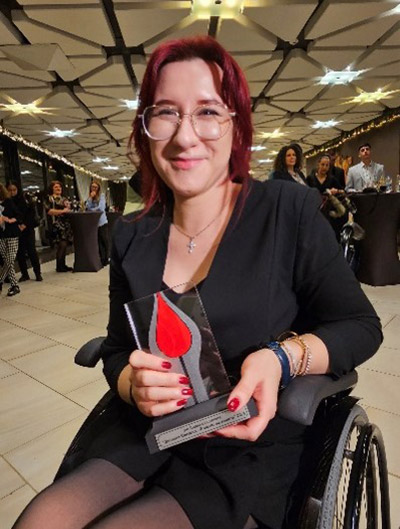
A doctor from ‘Heart and Brain’ Burgas received a prestigious award

Dr. Daria Boyadjieva is “Doctor of 2024”

At a solemn ceremony in the National Palace of Culture last night, the annual awards “Daniela Seizova – In the name of life” were presented – in memory of the journalist with outstanding merits in promoting the problems of cancer patients and patients in general. Patients, doctors and media were awarded in 12 categories.

“I thank my family and my hospital for the opportunity to learn, develop and work with the best team in ‘Heart and Brain’ Burgas. My dream is to specialize in cardiovascular imaging,” said Dr. Boyadjieva.